Recognizing the Procedures Associated With Aluminum Casting for High-Quality Production
The aluminum casting process is a complex yet important procedure for achieving high-grade production. It includes numerous phases, including mold and mildew preparation, melting, pouring, and cooling. Each step needs cautious interest to information to ensure and prevent problems consistency. Understanding these procedures can considerably influence the final item's integrity. As one examines the nuances of mold and mildew option and air conditioning strategies, the significance of each facet becomes increasingly clear. What elements truly dictate success in this elaborate process?

The Aluminum Casting Process Summary
The aluminum casting procedure is an extensively used manufacturing technique that changes molten aluminum into numerous shapes and components. This process starts by heating aluminum until it reaches a liquid state, allowing it to stream easily into mold and mildews. Depending upon the wanted final product, different casting approaches can be employed, consisting of sand casting, die casting, and financial investment casting. Each method has its unique benefits and applications, influencing aspects such as production quantity, dimensional precision, and surface area finish.
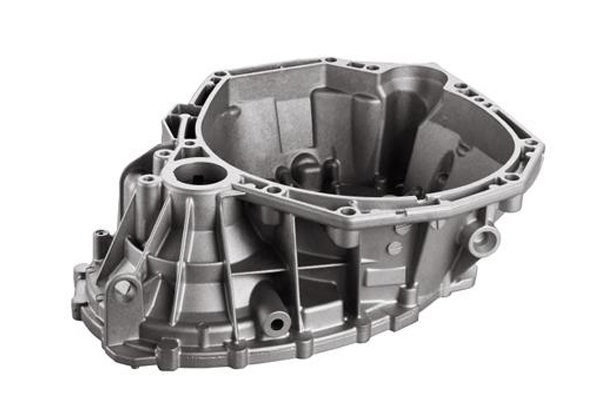
Once the aluminum is put into the mold and mildew, it cools down and solidifies, tackling the shape of the tooth cavity. After cooling, the cast item is gotten rid of from the mold, frequently requiring additional processes like trimming, machining, or surface area therapy to attain the final specifications. On the whole, the aluminum casting procedure is necessary in generating sturdy and intricate components for different markets, including automobile, aerospace, and customer products.
Preparing the Mold for Casting
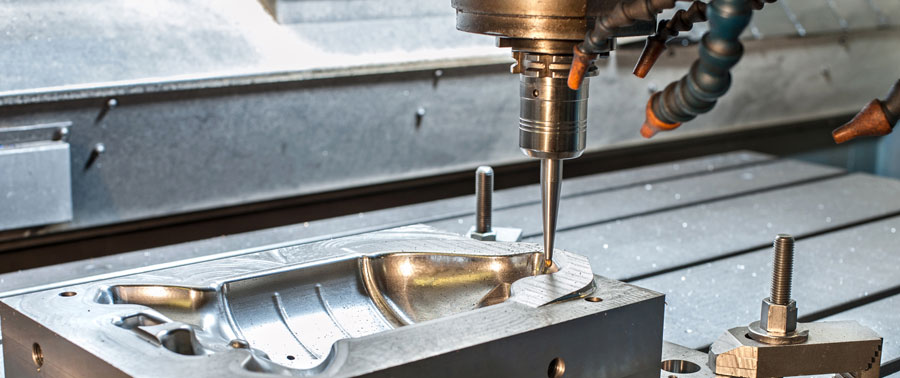
Cautious preparation additionally entails cleaning up the mold and mildew to get rid of any pollutants that could affect the casting process. An extensive examination assurances that all parts fit together effectively, preventing imbalances during putting. Additionally, using a launch agent can help relieve the removal of the finished product.
Inevitably, careful attention to detail during mold and mildew prep work sets the foundation for a successful casting operation, influencing variables such as dimensional accuracy and surface area top quality of the aluminum components generated.
Melting and Putting Aluminum
Effective melting and pouring of aluminum is important for attaining top notch castings. The process starts by picking the proper furnace, which should supply efficient heat transfer and keep consistent temperature levels. Different sorts of heating systems, such as induction or crucible heaters, can be used based upon manufacturing requirements and quantity.
The aluminum should be heated to its melting point, generally around 660 degrees Celsius (1220 degrees Fahrenheit), while ensuring minimal oxidation and contamination. To enhance top quality, ingredients may be introduced to improve fluidness and minimize pollutants. Once totally melted, the aluminum ought to be held at a stable temperature before putting.
Putting requires accuracy to avoid problems such as air pockets or incorporations. The usage of pouring ladles and controlled pouring methods adds to a smooth circulation into the mold and mildew. Appropriate implementation of these actions is vital for generating spreadings with maximum architectural integrity and surface finish.
Cooling and Solidification Strategies
After putting, the air conditioning and solidification of aluminum play an essential duty in determining the final properties of the casting (Aluminum Casting Company). Effective air conditioning strategies directly influence the microstructure, mechanical buildings, and dimensional precision of the last item. Typical methods consist of forced air cooling and water spray, which promote consistent temperature level circulation and minimize thermal slopes
The solidification process begins as the liquified look at here aluminum loses heat, moving from fluid to solid. The price of cooling down impacts grain dimension; slower air conditioning can lead to larger grains, possibly lowering strength. In addition, making use of chills-- steel inserts that absorb heat-- can boost cooling rates in certain areas, enhancing general stability.
Managed cooling systems are typically executed to achieve wanted properties, such as boosted ductility or strength, by taking care of the air conditioning contour. Correct strategies assure dependable aluminum spreadings that meet stringent industry requirements.
Completing and Quality Assurance Procedures
Finishing and quality assurance actions are important to assure that aluminum castings fulfill the required specs and performance criteria. After the casting procedure, components go through various finishing procedures, including machining, grinding, and sprucing up. These processes enhance surface high see this site quality, dimensional precision, and overall looks.
Quality assurance steps play a pivotal role in assuring product honesty. Inspection strategies such as visual analyses, dimensional checks, and non-destructive testing are utilized to recognize problems like porosity, surface area irregularities, or dimensional errors. In addition, complete paperwork of each phase of manufacturing aids map any type of problems back to their source, enabling continuous enhancement.
Using analytical procedure control (copyright) further warranties that manufacturing processes continue to be within specified limitations, boosting uniformity and integrity. By integrating ending up techniques and strict quality assurance measures, makers can achieve top quality aluminum castings that satisfy both sector criteria and customer expectations.
Regularly Asked Inquiries
What Sorts Of Aluminum Alloys Are Finest for Casting?
The best aluminum alloys for casting consist of 319, 356, and 413, recognized for their outstanding fluidity, rust resistance, and strength - Aluminum Foundry. These alloys are typically made use of in auto, aerospace, and numerous industrial applications for resilient parts
Exactly How Does Temperature Level Affect Aluminum Casting Top Quality?
Temperature level considerably influences aluminum casting top quality; higher temperatures can enhance fluidness but might result in oxidation, while reduced temperatures improve detail but rise thickness. Accomplishing optimal here temperatures is vital for stabilizing these rival effects throughout casting.
What Prevail Flaws in Aluminum Castings?
Typical problems in aluminum castings consist of porosity, shrinking, inclusions, chilly shuts, and surface roughness. These problems develop from factors such as incorrect temperature level control, contamination, and inadequate mold design, affecting the end product's honesty and performance.
Can Aluminum Casting Be Recycled?
Exactly How Does Aluminum Casting Compare to Other Manufacturing Techniques?
Aluminum casting offers exceptional layout flexibility and material effectiveness compared to methods like creating or machining. aluminum casting. Its capacity to create elaborate shapes lowers waste, enhancing total manufacturing effectiveness while keeping premium standards in finished items
The aluminum casting process is a complex yet essential treatment for accomplishing high-quality manufacturing. The aluminum casting procedure is an extensively made use of production method that changes liquified aluminum right into different shapes and components. Preparing the mold for casting is an important action that directly impacts the top quality of the final aluminum item. Ending up and high quality control procedures are essential to assure that aluminum castings meet the required specifications and efficiency requirements. Temperature level greatly influences aluminum casting quality; higher temperature levels can enhance fluidity however might lead to oxidation, while lower temperature levels enhance information but boost thickness.